JP
FUMIHIKO MAKI ARCHIVE
TOP
2023
In 2023, we focused our research on four characteristics of Maki's works.
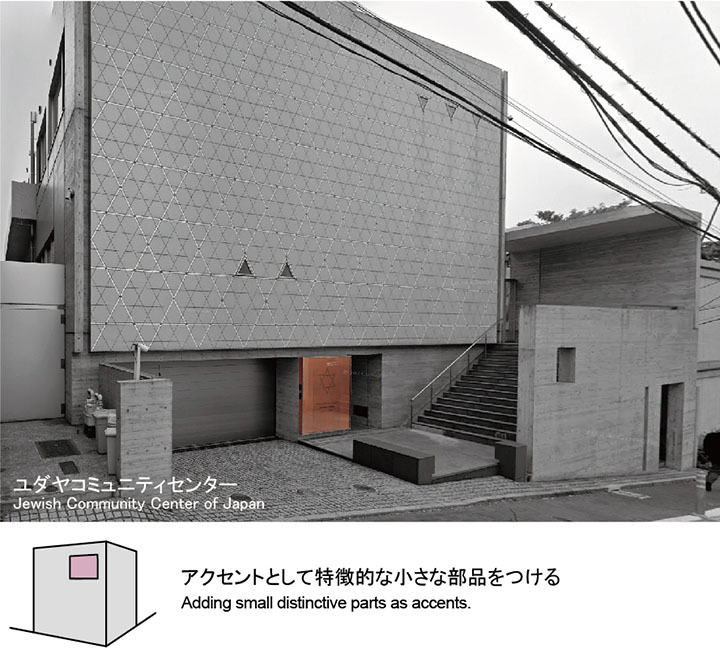
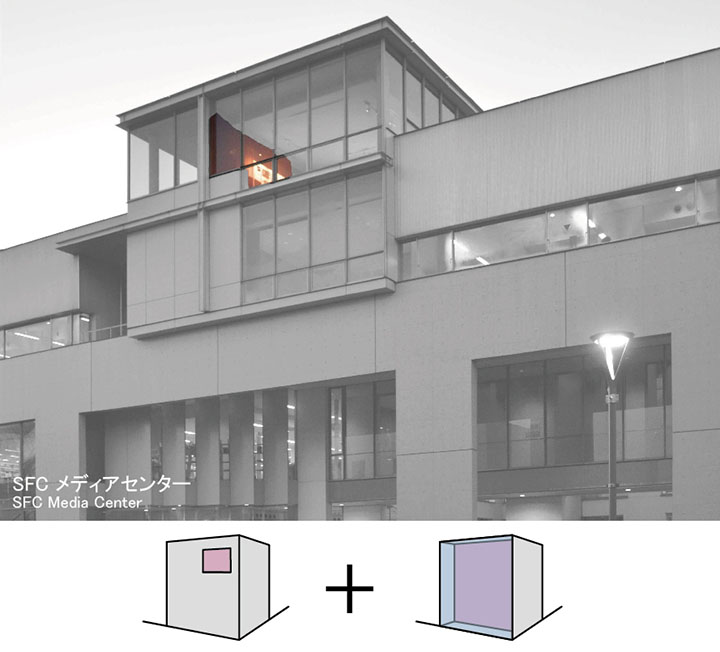
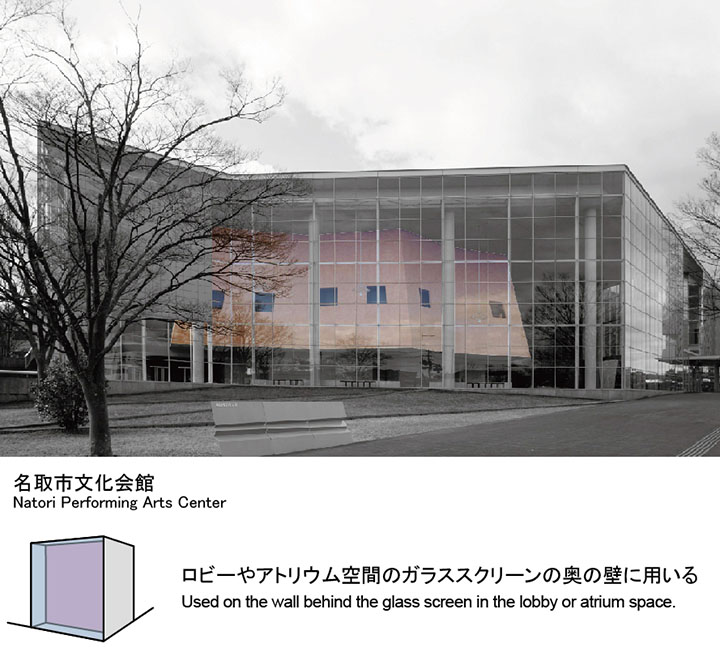
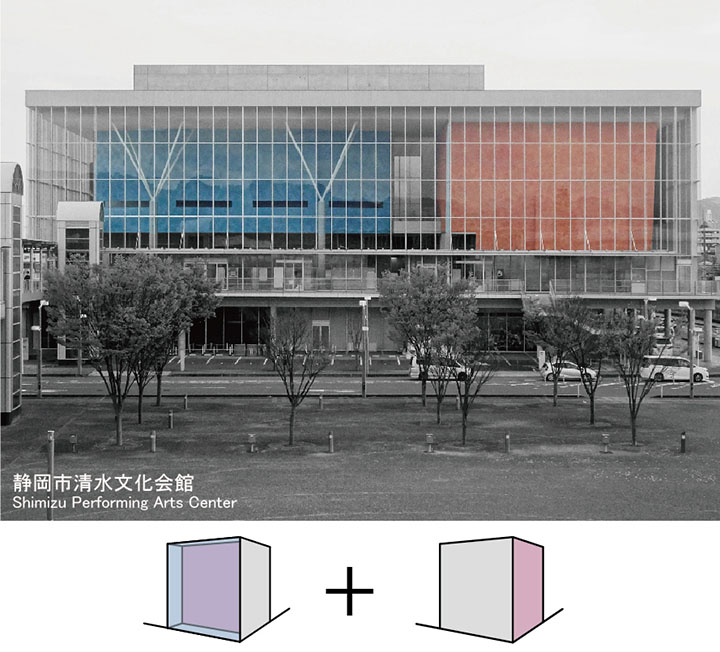
Distinctive Texture Composition
Student Researcher: Hiro Namekawa (EI B2)
Key Words:
・Adding small distinctive parts as accents
・Used on the wall behind the glass screen in
the lobby or atrium space
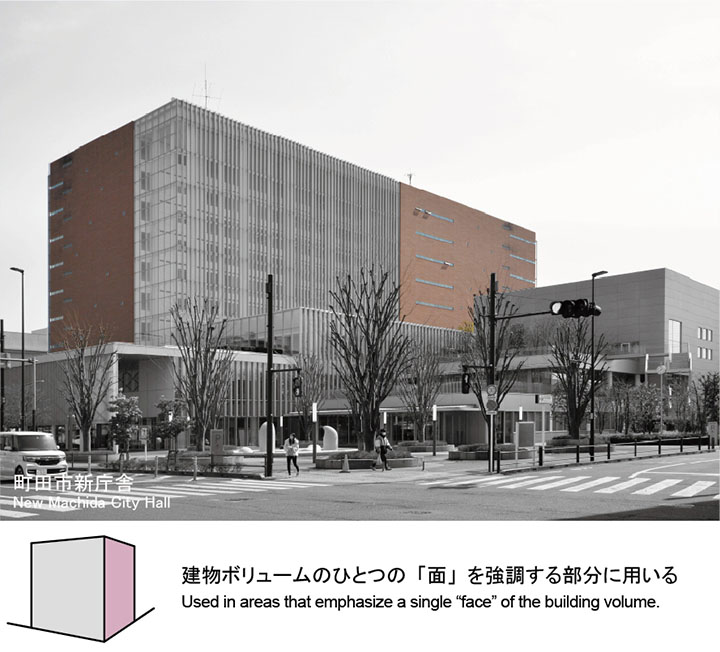
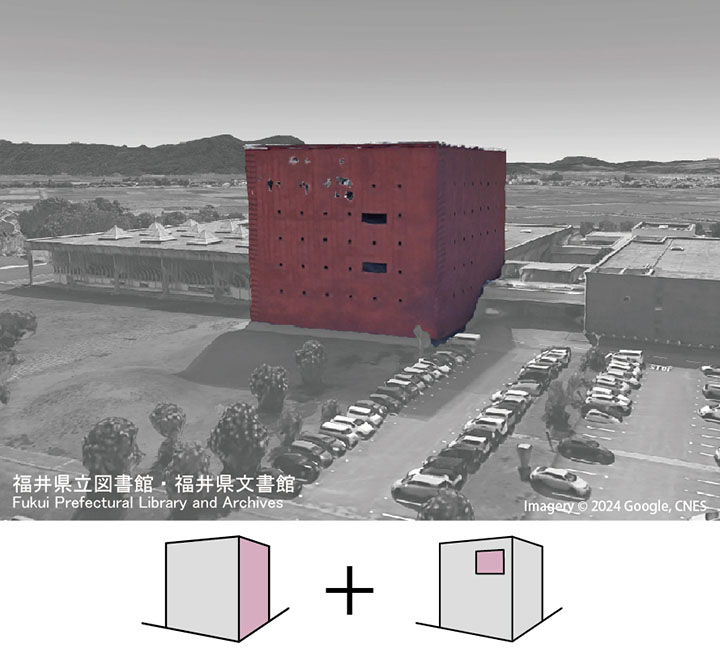
・Used in areas that emphasize a single
"face" of the building volume
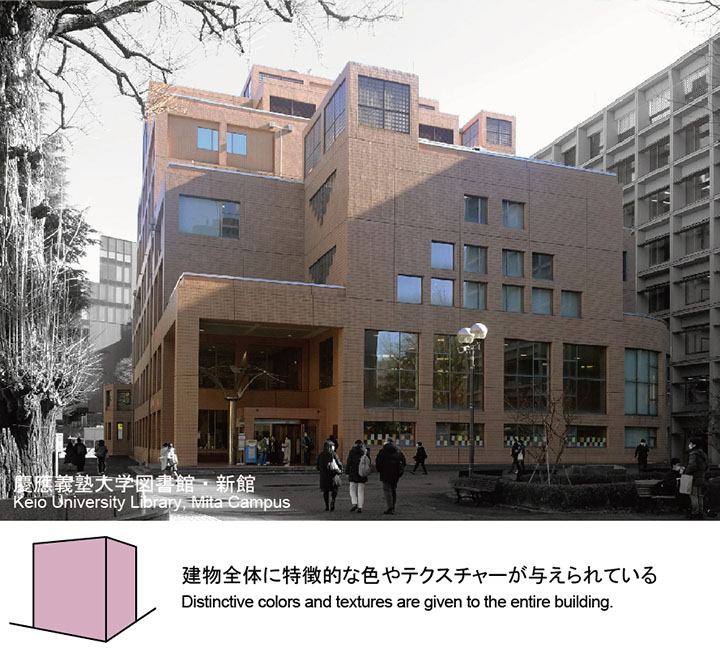
・Used for the entire building
Maki's architecture has a strong impression
of bright monotones, such as concrete and metal, but there are also some
techniques that use distinctive textures, such as colors and local materials.
Curious about the intent behind these techniques, we investigated and
categorized the areas of Maki's architecture that have a clear saturation of
color.
These characteristic textures are used
inside and outside the building to emphasize on showing a specific areas, to
guide people's gaze, and to emphasize the movement of people inside the
building by creating a sense of transparency. They also play a role in blending
modernity with the local character of a place, as well as with the city as a
whole.
Using a base color for the entire building
is seen in places like the Keio Mita campus, though it is relatively rare.
The Picture Frame Effect at SFC
Student Researcher: Masakazu Sakakibara (EI B3)
Key Words:
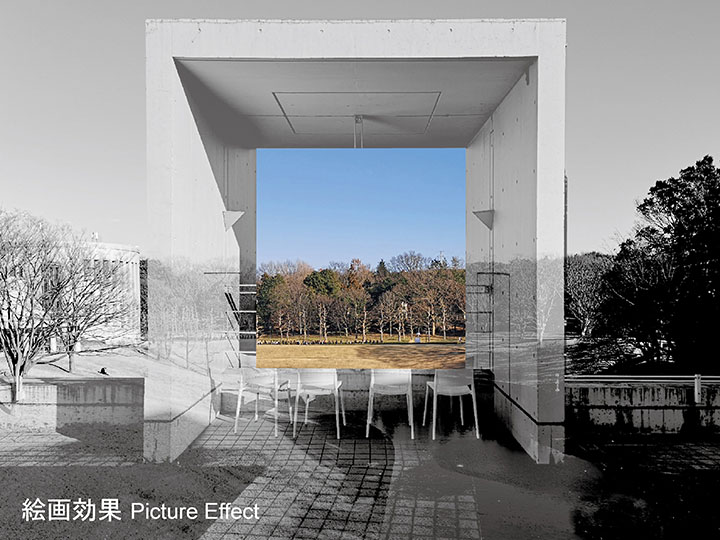
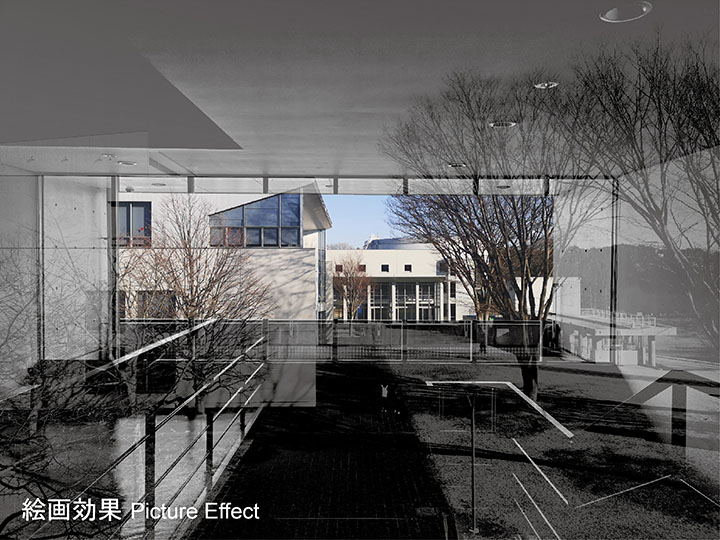
・Picture effect
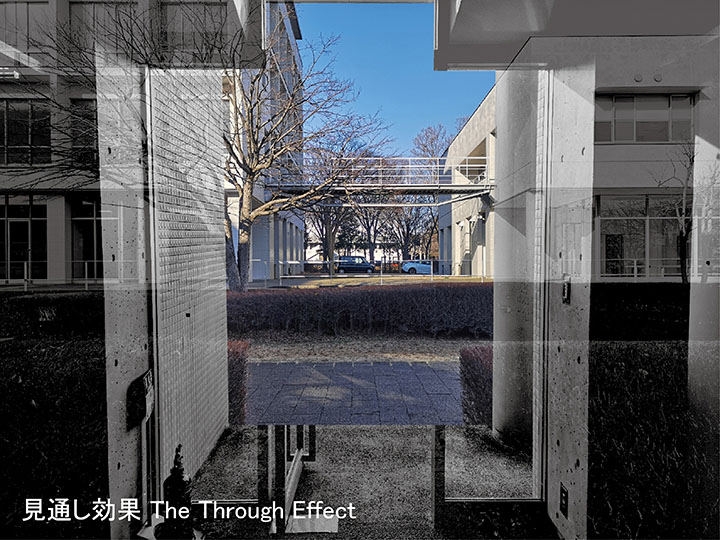
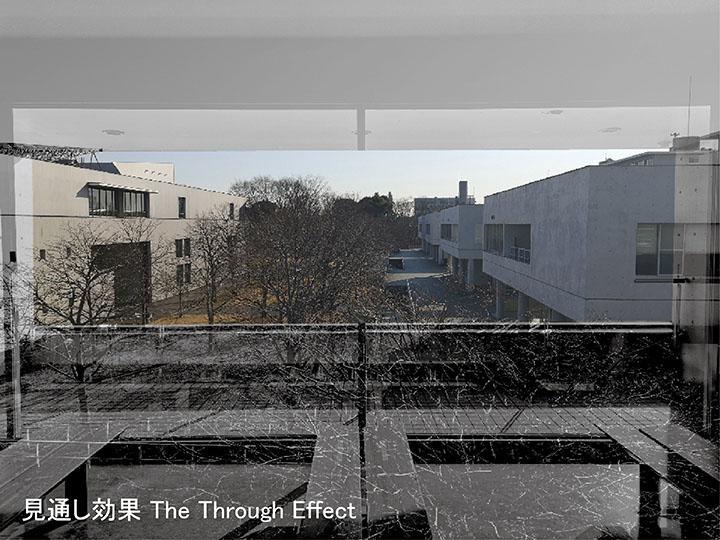
・The Through Effect
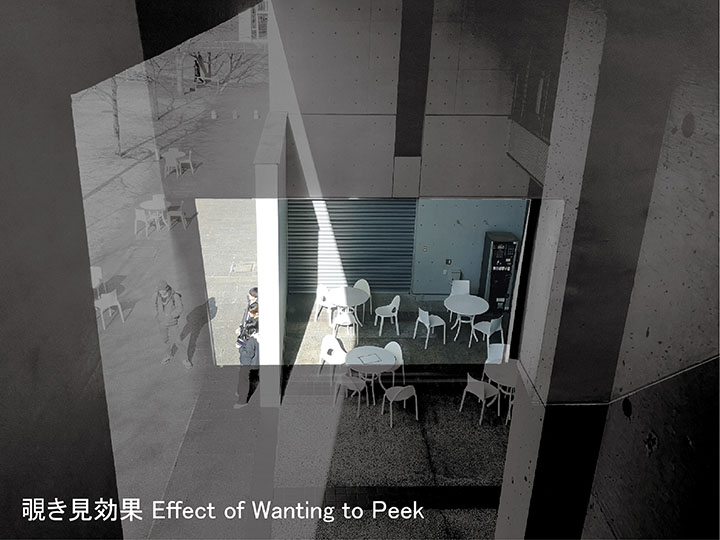
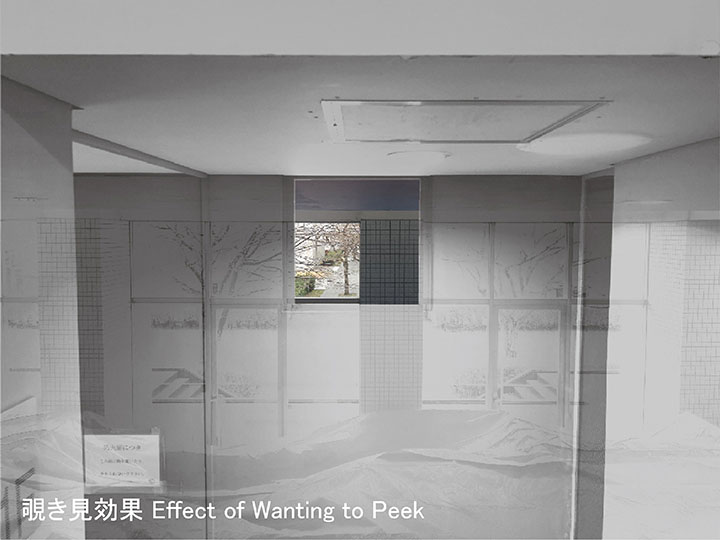
・Effect of Wanting to Peek
In Maki’s architecture, the technique of
impressively framing views is skillfully employed, and it is frequently used at
Keio University Shonan Fujisawa Campus as well. I became interested in how
limiting the field of view in architecture has an effect at the SFC campus. To
analyze the intention behind the framing of openings at SFC, commonly used in
Maki’s architecture, I created juxtaposed photographs of the hidden parts
outside the frame to visualize the field of view difference. The choice to
design the campus with viewpoints like this transforms the lush green space
into something akin to an open-air theatre or a work of art.
・Picture effect
Cutting out parts of landscapes to create a
new one gives the feeling of a painting on a wall. The frames exclude much from
the usual wide view, viewers experience a different landscape. To achieve the
frame that is just right, the viewing position is sometimes subtly designated.
・The Through Effect
SFC has an abundance of wide views, yet
it's the deeply carved views that penetrate both indoors and outdoors, strongly
evokes site's layout and axial planning sense.
・Effect of Wanting to Peek
Small openings in stairways, corridors, and
other spaces that might otherwise be closed off make you feel like you are at
SFC no matter where you are.
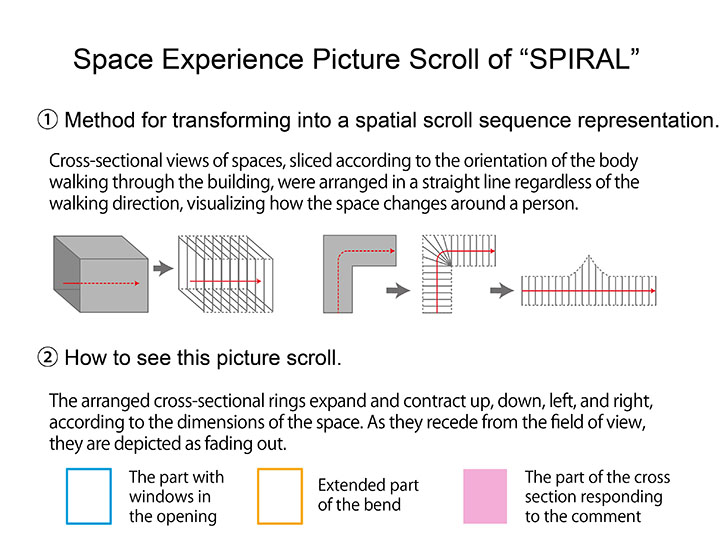
Space Experience Picture Scroll of “SPIRAL”
Student Researcher: Takumi Tsukada (PM B3)
Key Words:
The richness of spatial changes in the sequence of the Spiral Building
Walking through Maki's architecture, I was
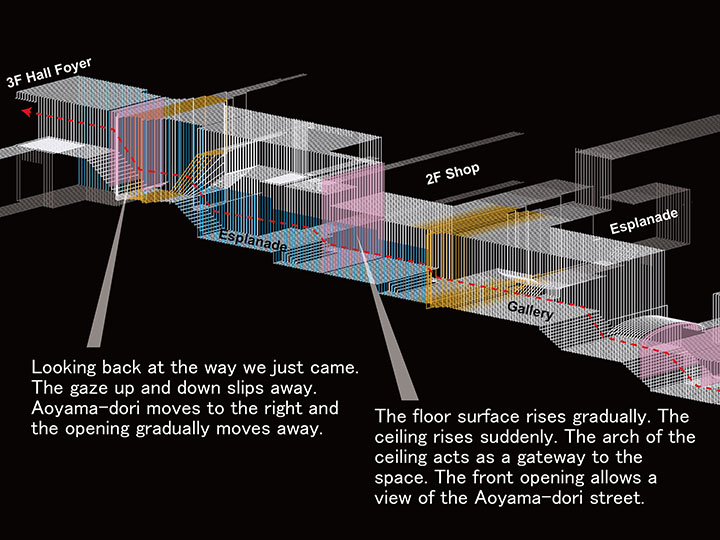
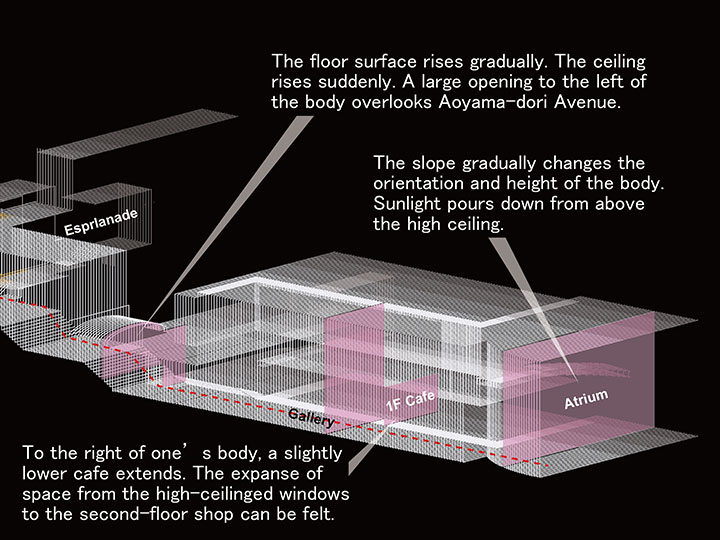
fascinated by the richness of its spatial changes. I took up the Spiral building and tried to
display it like a picture scroll so that we can objectively analyze the sequence
of spaces that pedestrians experience when they follow the path. I found
several patterns that create changes.
(1) Gradual changes in floor height and
abrupt changes in ceiling height.
(2) When you are unexpectedly led back the
way you have just come, a completely different space unfolds ahead of you.
(3) As your body changes direction, what
you see changes to the left and right.
Depth
created by a Collection of Forms
Student Researcher: Ema Kobayashi (PM B3)
Key Words:
Creating depth maps
I became interested in the composition of
Okusei through daily experiences with Maki’s Architecture at the university. To
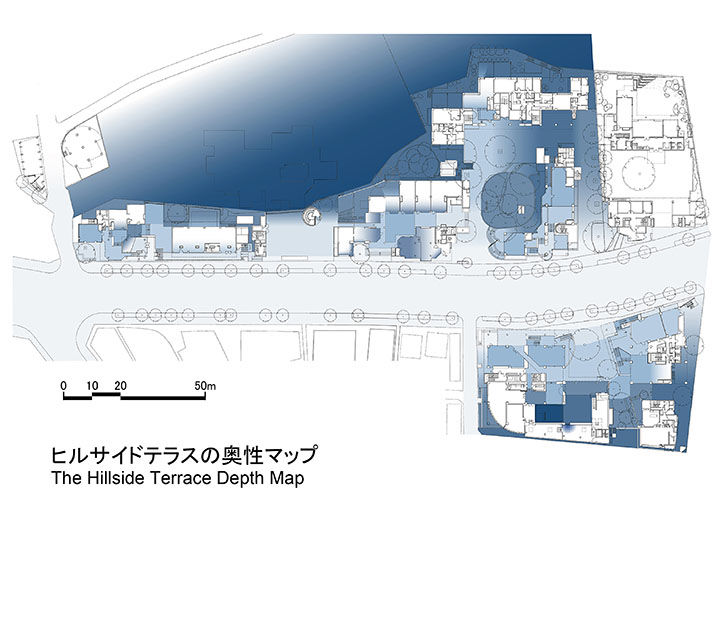
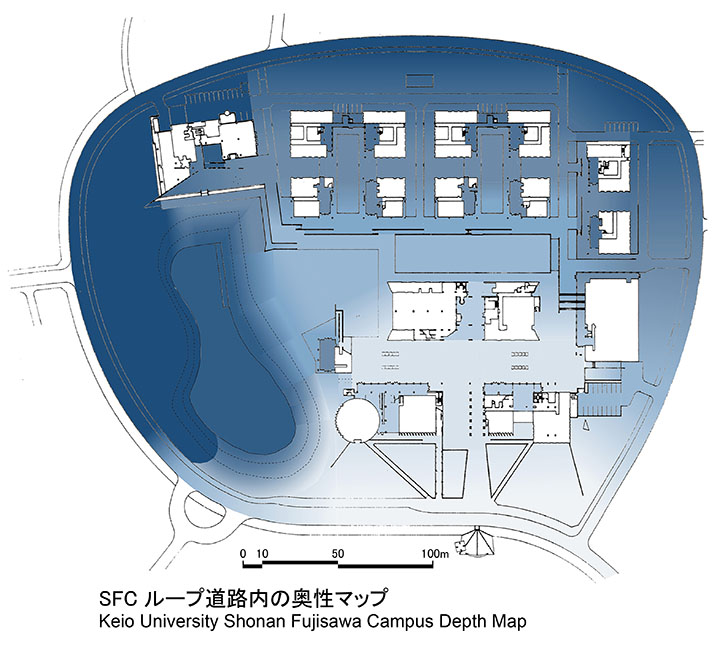
analyze the depth of the building, I created a "depth map" for
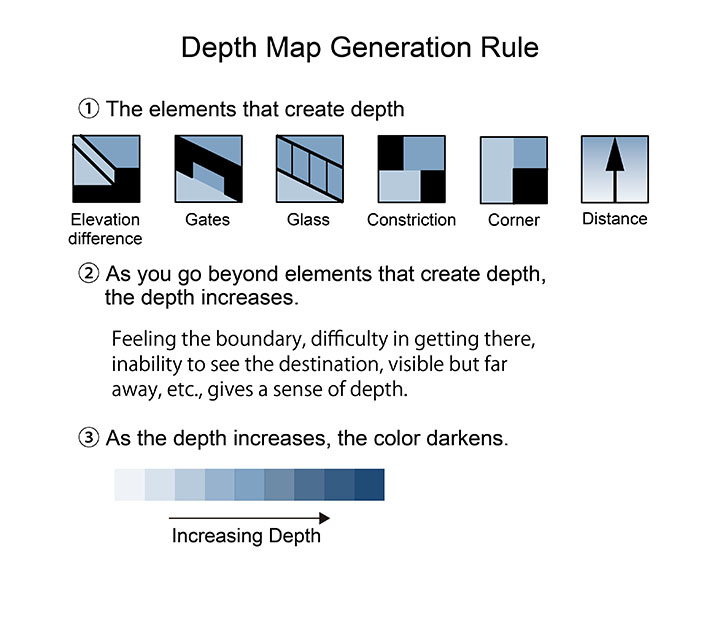
Hillside Terrace and SFC, visualizing the depth of the building. The rule to
visualize the "Depth Map" was to intensify the depth as it increases.
In Hillside Terrace, the depth of the space is changed using glass and steps,
etc. In SFC, spatial elements as seen reminiscent of a city's blocks.
About the Archive
About Keio University
Acknowledgements
The archive extends its thanks to the Maki family and Maki and Associates. Many Thanks to the friends and colleagues who have contributed to the ongoing development of this project.
The Maki Archive and associated research projects were made possible by the generous support of the Takenaka Corporation.
The archive is based at Keio University Shonan Fujisawa Campus and led by a team of researchers and assisted by students, advisors, faculty, and allied professionals. The initial team includes (positions are as they were at the time):
Yasushi Ikeda, Project Professor, Graduate School of Media and Governance
Hiroto Kobayashi, Professor, Graduate School of Media and Governance
Yohko Watanabe, Professor, Keio University Art Center
Tohru Ohnuma, Project Research Associate, Graduate School of Media and Governance
Don O'Keefe, Part-time Lecturer ( 2021 )
Keio University was founded in 1858 by Yukichi Fukuzawa, a distinguished scholar and champion of social reform and modernization. Keio is the oldest institute of western higher education in Japan and among its most prestigious.
Keio University Shonan Fujisawa Campus (SFC) is one of 11 Keio University campuses in Tokyo and Kanagawa prefecture, Japan. Fumihiko Maki designed most of the SFC campus, which opened in 1990.